What is Shared Lives and Supported Lodgings?
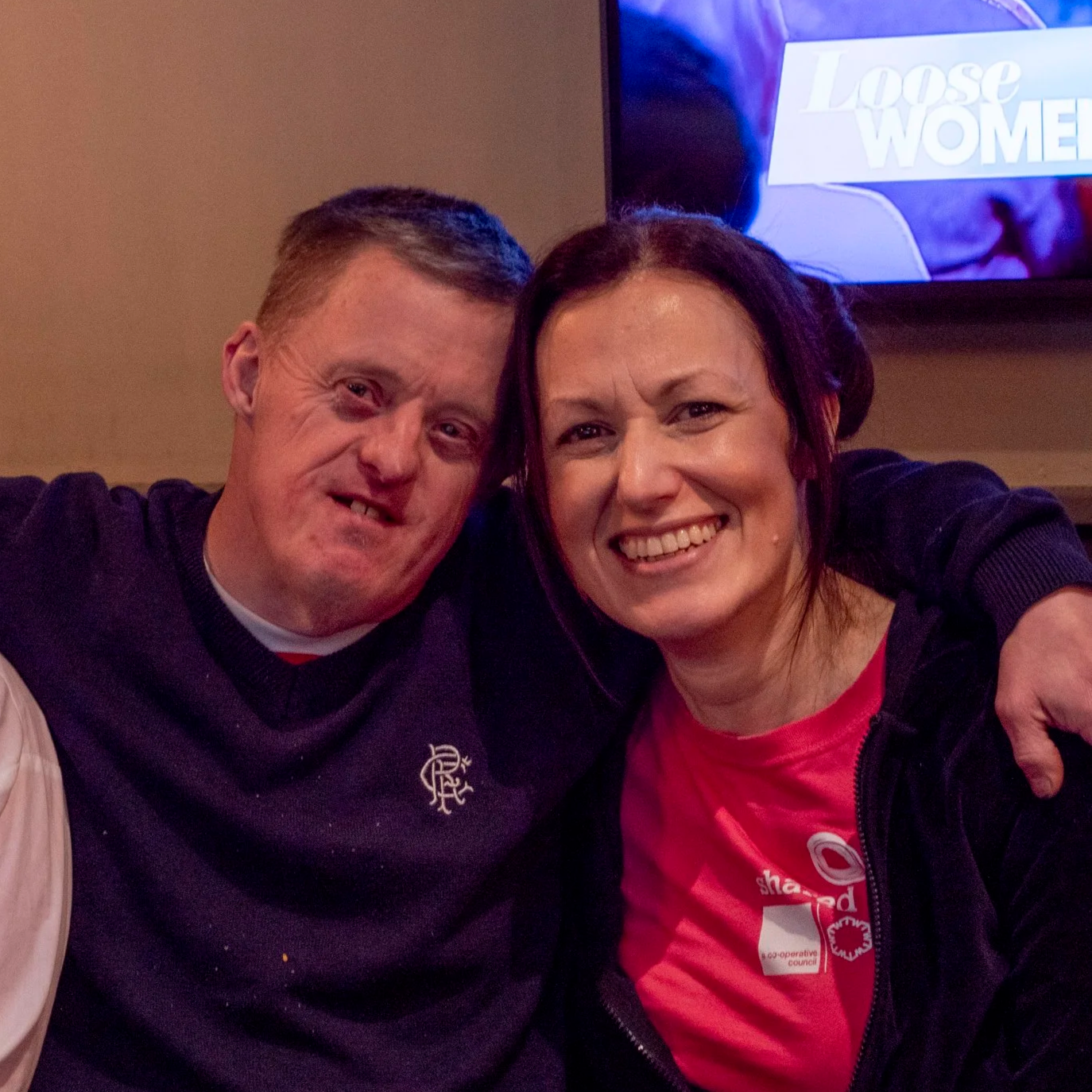
Shared Lives and Supported Lodgings are schemes run by My Options, part of Telford & Wrekin Council, that match people who need support with caring, community-minded individuals who share their home and daily life with them.
The people we support may have learning or physical disabilities, may be an older person leaving hospital or living with dementia, be someone with mental health difficulties, or be a care leaver starting out in adult life. Every person is different - and that's what makes this work so meaningful.
My Options is also a proud member of Shared Lives Plus - the UK-wide network for Shared Lives carers - and the Supported Lodgings National Network - the national association of supported accommodation partners. This means you're joining something much bigger than just a local scheme.
Your Questions, Answered
-
As a carer or host, you'll share your home with an adult or young person who has been carefully matched with you. You'll support them to:
Develop their independent living skills
Manage everyday care and health needs
Build their self-confidence
Realise their own ambitions and potential
Depending on your circumstances and availability, this could look very different from one carer to the next - from a long-term living arrangement, to short-term breaks, occasional respite care, or even just one or two days a week supporting someone during the day.
-
Not necessarily. Many of our carers and hosts have had some kind of caring role before - but what matters most to us is your values, not your CV.
We're looking for people who are enthusiastic about making a difference, and who bring:
Flexibility
Patience and understanding
Open-mindedness
A good sense of humour
A positive attitude and initiative
A commitment to confidentiality and equal opportunities
Good record keeping skills
A willingness to complete training and work as part of our team
We welcome applicants from all backgrounds.
-
You have to be at least 21 to apply to become a carer or host, and there is no upper age limit. A reasonable level of maturity and life experience is welcomed.
-
We provide free training and ongoing support to every carer and host - it's something we take really seriously. You'll also benefit from:
A dedicated support worker, on hand whenever you need them
A 24/7 on-call service
A peer support network, buddy system and informal carer get-togethers
Regular social events and catch-ups
Help ensuring all welfare benefit entitlements have been claimed
You'll be self-employed rather than a Council employee, and you'll be paid for the care and support you provide. Pay varies depending on the level of support involved. HMRC treats income from Shared Lives and Supported Lodgings similarly to foster care, with beneficial tax arrangements in place. Get in touch for current pay rate information.
-
We take matching seriously - because getting it right matters for everyone involved. During your assessment process, we'll take time to get to know you, your home, your family and your circumstances. We'll then work carefully to match you with someone whose needs and personality are a good fit.
The introduction process usually starts with an informal meeting in a neutral place, before progressing to a visit at your home, and then possibly an overnight or weekend stay. At every stage, both you and the person we support have the right to say no - there's never any pressure.
-
Our approval process takes around three months and includes:
An application form
Home visits
An interview with our independent assessment panel
Online training
An enhanced DBS check
Our friendly team will be with you every step of the way — so while it's thorough, it shouldn't feel daunting.
-
Yes, whether you are employed or unemployed we need to know that you're financially secure and can provide a stable home. If you work, we will need to make sure that your work commitments are flexible, and you could meet the needs of the individual or young person.
-
It does not matter what your religion is and this should not affect your application to become a carer or host You would need to consider how you would feel about discussing issues such as alternative religious beliefs or sexuality with a child, ensuring that you abide by our service policies.
-
In some circumstances, yes. Carers and hosts are self-employed, and any earnings may affect means-tested benefits such as Universal Credit. Individual circumstances vary, so it's always best to seek welfare benefit advice before starting.
-
No, it doesn’t matter whether you own or rent your house, you can still apply to be a carer or host.